









Welcome Back
Sign in to be closer to your community!
Follow other divas, like and comment
on their posts, message them, and see
who loved your posts!
 Login with Google
 Login with Twitter
OR
Join FashionPotluck.com
Create your own profile in order to create content, follow other divas and like their posts, use our own messenger, and be a part of a growing international women community!
Signup as a Community Member

WELCOME TO OUR COMMUNITY
Fashion Potluck -
the first social media
platform for women.
You are free to read/watch & create content,
express your true self, and interact with others.


LIFESTYLE
5 Main Treatments for Sleep Apnea You Should Know

 by
by 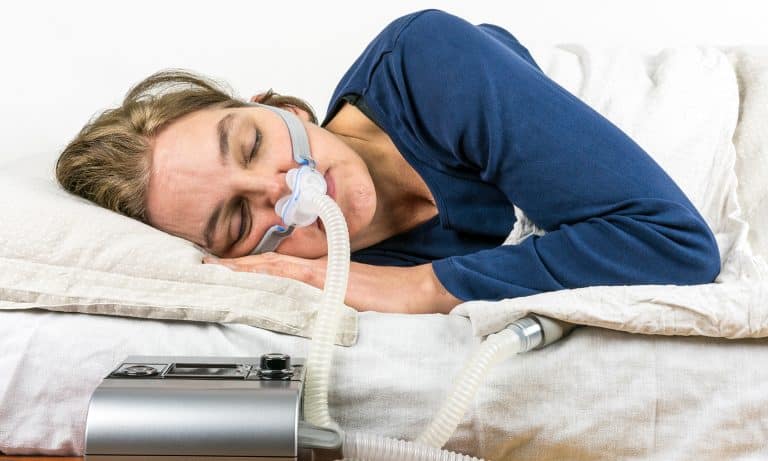
Sleep apnea is a sleep disorder that causes repeated pauses in breathing while you sleep. The most common type is obstructive sleep apnea, which occurs when the muscles in the throat relax too much and block the airway. These pauses in breathing may happen many times during the night and can last several seconds or longer.
Many people do not realize they have sleep apnea because the symptoms happen during sleep. In many cases, a partner or family member notices the problem first. Loud snoring or pauses in breathing during sleep are often the earliest signs.
You may also notice other symptoms during the day, including:
Loud and frequent snoring
Gasping or choking during sleep
Waking up with a dry mouth
Morning headaches
Trouble staying asleep
Feeling very tired during the day
Difficulty concentrating
Reduced focus or memory
If sleep apnea is not treated, it can affect your health in several ways. Research shows that untreated sleep apnea may increase the risk of conditions such as high blood pressure, heart disease, type 2 diabetes, and chronic fatigue. It may also affect mood, memory, and daily energy levels.
The good news is that sleep apnea can often be managed with the right treatment. The best treatment depends on how severe the condition is and what is causing the airway blockage. Below are several treatment options that doctors commonly recommend.
1. Oral Appliances
Dental mouth guards are one of the most common treatment options for mild to moderate sleep apnea. These devices are worn in the mouth while you sleep and are similar in appearance to a sports mouthguard.
One of the most widely used devices is called a mandibular advancement device. This appliance gently moves the lower jaw forward during sleep. By repositioning the jaw, the airway remains more open, which helps prevent breathing interruptions.
Oral appliances are often recommended for people who cannot tolerate continuous airway pressure machines. Many patients prefer these devices because they are small, portable, and easy to use.
A dentist who specializes in sleep-related breathing disorders usually custom-fits the device to ensure it is comfortable and effective. Proper fitting is important because the appliance must hold the jaw in the correct position throughout the night.
For many patients, this option improves breathing during sleep and reduces snoring.
2. Surgery
Surgery may be considered if other treatments do not provide enough relief or if there is a structural problem that is blocking the airway.
Some people have physical features that contribute to airway blockage, such as enlarged tonsils, excess tissue in the throat, or a narrow airway. Surgical procedures can remove or reshape these tissues to improve airflow.
Common surgical treatments may involve removing tissue from areas such as:
The soft palate
Tonsils
Uvula
Adenoids
Tongue tissue
Another option is a procedure called radiofrequency ablation. This treatment uses controlled energy to shrink tissues in the throat and reduce airway obstruction.
Surgery is usually considered after careful medical evaluation. Doctors typically review sleep study results and examine the airway before recommending a surgical procedure.
3. Airway Pressure Devices
Some patients benefit from airway pressure machines that support breathing during sleep. These devices deliver pressurized air through a mask that is worn over the nose or mouth.
One type of machine is called a BiPAP (bi-level positive airway pressure) device. Unlike some other machines, this device uses two different pressure levels. It delivers higher pressure when you breathe in and lower pressure when you breathe out.
This approach may feel more comfortable for some patients because breathing out against strong pressure can be difficult for certain individuals.
Doctors sometimes recommend these devices for people who have more complex breathing patterns during sleep or who do not respond well to other pressure therapies.
4. Continuous Positive Airway Pressure (CPAP) Therapy
CPAP therapy is one of the most widely used treatments for moderate to severe sleep apnea. It is often considered the standard treatment option because of its effectiveness.
A CPAP machine works by delivering a steady stream of air through a mask while you sleep. The air pressure helps keep the airway open so breathing remains steady throughout the night.
When used regularly, CPAP therapy can significantly reduce or eliminate breathing pauses. It also helps reduce snoring and improve sleep quality.
Modern CPAP machines are much quieter and smaller than earlier versions. Many devices also include features that improve comfort, such as adjustable pressure settings and humidifiers.
While it may take some time to get used to wearing the mask, many patients report improved energy levels and better sleep once they adjust to the therapy.
5. Lifestyle Changes
In some cases, doctors recommend lifestyle adjustments to help reduce symptoms of sleep apnea. These changes are often recommended for mild cases or used alongside other treatments.
Several lifestyle changes may improve breathing during sleep:
Losing excess body weight
Increasing regular physical activity
Avoiding alcohol before bedtime
Stopping smoking
Avoiding certain medications that relax the airway
Changing sleep position
Treating nasal congestion or allergies
Sleeping on your side instead of your back may also reduce airway blockage for some individuals. Small changes in sleep habits and daily routines can make a noticeable difference for certain patients.
Although lifestyle changes may not completely cure sleep apnea, they can help reduce the severity of symptoms and improve overall health.
Words Minimum :
Add Comments