









Welcome Back
Sign in to be closer to your community!
Follow other divas, like and comment
on their posts, message them, and see
who loved your posts!
 Login with Google
 Login with Twitter
OR
Join FashionPotluck.com
Create your own profile in order to create content, follow other divas and like their posts, use our own messenger, and be a part of a growing international women community!
Signup as a Community Member

WELCOME TO OUR COMMUNITY
Fashion Potluck -
the first social media
platform for women.
You are free to read/watch & create content,
express your true self, and interact with others.


LIFESTYLE
How Often Should You Get a Massage for Optimal Health?

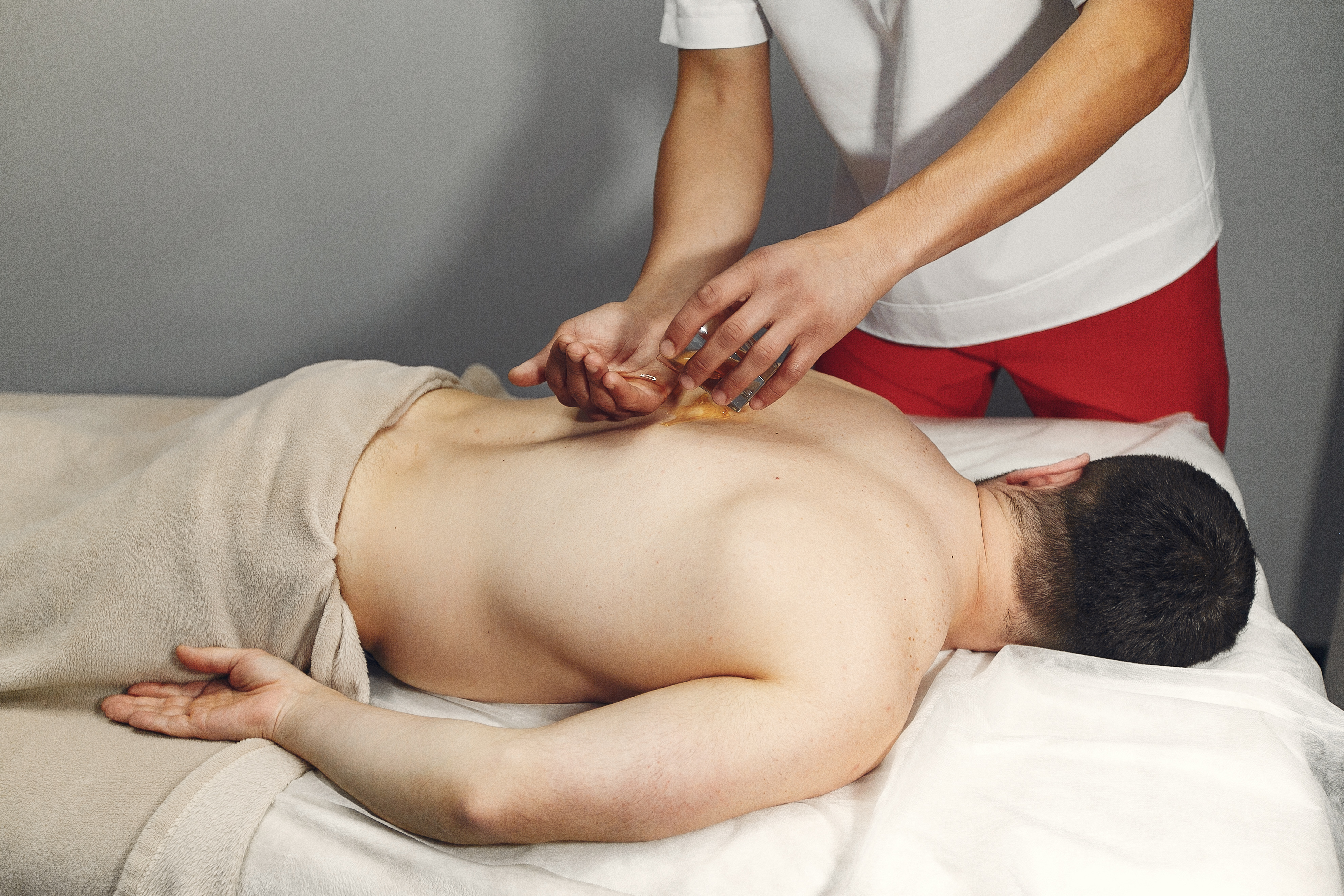
Massage isn’t just an occasional indulgence - it can be a powerful part of maintaining your overall health and well-being. But one of the most common questions people ask is: how often should you actually get a massage? The answer depends on your lifestyle, stress levels, and physical needs.
Let’s break it down so you can find a rhythm that truly works for your body.
Why Regular Massage Matters
Massage therapy does more than help you relax for an hour - it supports long-term physical and mental health. Regular sessions can:
Reduce muscle tension and stiffness
Improve circulation and flexibility
Support injury prevention and recovery
Lower stress and anxiety levels
Promote better sleep
General Guidelines for Massage Frequency
1. For General Wellness: Once a Month
If you’re relatively active and not dealing with chronic pain, a monthly massage is a great baseline. It helps maintain muscle health, reduce built-up tension, and keep stress levels in check.
2. For Stress Relief: Every 2-4 Weeks
If your days are packed with work, deadlines, or mental fatigue, more frequent sessions can make a noticeable difference. A massage every couple of weeks helps regulate stress hormones and keeps your body from holding onto tension.
3. For Chronic Pain or Tension: Weekly or Biweekly
If you deal with persistent issues like back pain, neck stiffness, or tight shoulders, consistency is key. Weekly or biweekly massages can gradually release deep-seated tension and improve mobility over time.
4. For Athletes or Active Lifestyles: Weekly
If you work out regularly or train intensely, your muscles go through constant stress. Frequent massage supports recovery, reduces soreness, and helps prevent injuries - making it an essential part of your routine.
Choosing the Right Type of Massage
Not all massages serve the same purpose. The type you choose also affects how often you should go.
Relaxation massages (like Swedish) are ideal for stress and can be done regularly
Therapeutic massages target specific pain points and may require more frequent visits
Deep tissue massage works on deeper muscle layers and is especially helpful for chronic tension
For example, if you’re dealing with long-term muscle tightness or postural strain, scheduling a deep tissue massage Boston residents often rely on for targeted relief can be a smart addition to your routine.
Listen to Your Body
There’s no one-size-fits-all answer. Your body will usually tell you what it needs:
Feeling constantly tight or sore? You may need more frequent sessions
Feeling relaxed and pain-free? You can space them out
Recovering from an injury? Follow a more structured schedule
Building Massage Into Your Routine
Think of massage like exercise or healthy eating - it works best when it’s part of your lifestyle, not a last-minute fix. Start with a schedule that feels realistic, and adjust based on how your body responds.
Even small steps, like committing to one session a month, can lead to noticeable improvements over time.
Final Thoughts
Massage therapy is one of the simplest ways to support both your physical and mental health. Whether you go monthly or weekly, the right frequency is the one that keeps you feeling balanced, relaxed, and pain-free.
If you’ve only been treating massage as an occasional luxury, it might be time to see what happens when you make it a regular habit - your body will thank you for it.
-
 Halena P :
What an enlightening article about keeping oneself healthy with regular massages. Health professionals also pay attention to other aspects, such as pain management billing and collections in California, for better patient outcomes. Discovering the ideal massage routine could be very beneficial.
-
:
That’s a thoughtful perspective on the benefits of regular massage for overall health. Alongside preventive care, healthcare professionals also focus on areas like pain management billing and collections in Florida to ensure smooth operations and better patient outcomes. Finding the right massage routine can truly support long-term wellness and recovery.
-
:
This article offers great insight into how regular massage therapy supports overall health, stress relief, and physical recovery. While there’s no fixed rule, experts suggest that frequency depends on individual needs—monthly sessions often work well for general wellness, while more frequent treatments may be needed for pain or stress management .
Alongside maintaining physical well-being, efficient healthcare systems are equally important. Solutions like Infusion Billing Services help streamline billing processes, reduce administrative burden, and ensure timely reimbursements—allowing providers to focus more on patient care and overall health outcomes.
Words Minimum :
Add Comments