









Welcome Back
Sign in to be closer to your community!
Follow other divas, like and comment
on their posts, message them, and see
who loved your posts!
 Login with Google
 Login with Twitter
OR
Join FashionPotluck.com
Create your own profile in order to create content, follow other divas and like their posts, use our own messenger, and be a part of a growing international women community!
Signup as a Community Member

WELCOME TO OUR COMMUNITY
Fashion Potluck -
the first social media
platform for women.
You are free to read/watch & create content,
express your true self, and interact with others.


LIFESTYLE
How to Create an App for Your Clothing Store

 by
by 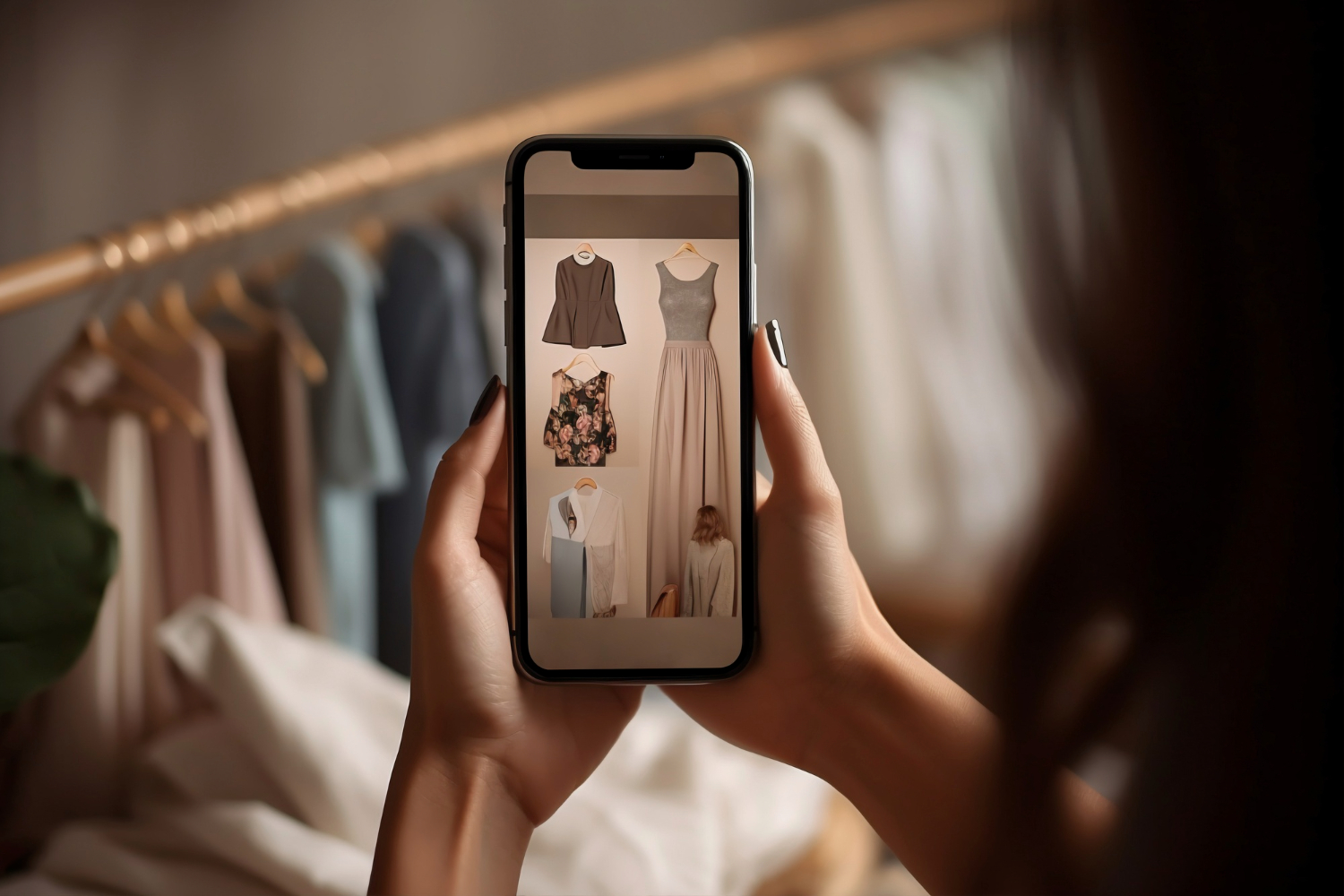
For fashion businesses, a mobile app can become an additional channel for product discovery, shopping, customer communication, loyalty, and brand engagement. A well-planned app gives customers a convenient way to browse collections, check product availability, save favorite products, place orders, and receive updates without depending entirely on a mobile browser.
However, creating an app for a fashion store involves more than converting an existing website into a mobile interface. Fashion businesses need to consider their target customers, product catalog, brand identity, inventory system, payment processes, shipping operations, and long-term customer engagement strategy before development begins.
The right approach starts with defining what the app needs to accomplish and then selecting the technology, features, and development model around those objectives.
1. Decide What Your Fashion Store App Should Achieve
The first step is to establish a clear purpose for the application. Different fashion businesses can have very different reasons for developing an app.
A small boutique may want an app primarily for online ordering and customer retention. A growing fashion retailer may need a mobile channel that connects its physical stores, ecommerce operations, loyalty program, and customer accounts. A fashion brand selling internationally may need multilingual support, multiple currencies, regional catalogs, and different delivery options.
Before discussing design or technology, businesses should answer a few basic questions:
Who will use the application?
What products will be available?
Will the app support only online purchases or also physical stores?
What problem should the app solve for customers?
Which existing systems need to connect with the app?
What business results should the application support?
Once these questions are clear, the development scope becomes easier to define.
For businesses that want a faster route to launching a branded shopping application, White label mobile app development services can also be considered. A white-label approach can provide an existing technical foundation that is customized around a fashion business's branding, catalog, workflows, and customer experience rather than requiring every underlying component to be developed from the ground up.
The appropriate model depends on how much customization the business requires, the available development budget, internal technical resources, and the long-term plans for the application.
2. Estimate the App Budget Before Development
Cost planning should happen before design and development begin. A fashion app can range from a relatively simple shopping application to a sophisticated platform with personalization, loyalty, multiple integrations, AI-powered recommendations, visual search, or augmented reality.
An app cost calculator can be useful during the early planning stage because it allows a business to consider different project variables before approaching developers for detailed estimates.
The estimated cost can depend on factors such as:
Number of platforms, such as iOS and Android
UI and UX complexity
Number of customer-facing features
Admin dashboard requirements
Backend architecture
Ecommerce integrations
Payment gateway integration
Inventory and order management
Third-party APIs
Personalization capabilities
Push notification infrastructure
Analytics and reporting
Security requirements
Maintenance and future upgrades
The objective at this stage is not necessarily to determine the final development invoice. Instead, fashion businesses can establish a realistic budget range and decide which features belong in the initial release.
A useful budgeting exercise divides features into three categories: essential, valuable, and optional. Essential functions are required for the app to operate. Valuable features improve the customer experience but may be introduced after launch. Optional features can be considered once the business has enough usage data to determine whether they justify further investment.
3. Research Your Customers and Competitors
Fashion purchasing is influenced by personal preferences, visual presentation, pricing, trends, convenience, availability, and brand perception. An app should therefore reflect the behavior of its intended customers rather than simply reproducing the company's website.
Start by reviewing existing customer data.
Look at:
Most frequently purchased products
Popular product categories
Common customer questions
Repeat purchase behavior
Abandoned carts
Frequently used website filters
Most visited product pages
Customer locations
Preferred payment methods
Return-related issues
Customer feedback can also reveal problems that an app could address. For example, shoppers may struggle to find their size, compare products, locate previous orders, or determine whether an item is available at a nearby store.
Competitor research can provide additional direction. Instead of copying another fashion app, businesses should identify common patterns and then determine where their own application needs to be different.
The goal is to create an app that reflects the brand's products and customer journey rather than adding features simply because competitors have them.
4. Plan the App's Core Features
Once the target audience and budget are established, the next step is to create a feature list.
A fashion store app will usually require a combination of shopping, account, communication, and management functions.
Product Catalog
The catalog is one of the most important parts of a fashion app. Customers should be able to browse collections, categories, sizes, colors, brands, prices, and other relevant attributes.
High-quality product images are particularly important for fashion because customers cannot physically inspect garments through a screen.
Product pages can include:
Multiple product images
Zoom functionality
Product descriptions
Available colors
Size options
Size guides
Material information
Care instructions
Availability
Customer reviews
Related products
Delivery information
Search, Filtering, and Sorting
A growing fashion catalog can quickly become difficult to navigate without effective search and filtering.
Customers may want to search for a specific product or narrow a collection by size, color, price range, category, brand, material, or availability.
Filters should be designed around how customers actually shop rather than around the internal structure of the product database.
Wishlist and Saved Items
A wishlist gives customers a way to save products without purchasing immediately. This is particularly useful for fashion businesses because shoppers may compare styles, wait for a sale, or return to an item later.
The feature can also support restock alerts and price notifications when those capabilities are part of the business strategy.
Shopping Cart and Checkout
The checkout experience should remain straightforward.
Customers should be able to review products, change quantities, select delivery options, apply discounts, choose payment methods, and confirm orders without unnecessary steps.
The app should also clearly communicate shipping charges, estimated delivery dates, return conditions, and applicable taxes before the final purchase confirmation.
5. Design the App Around Your Fashion Brand
A fashion app should feel connected to the brand's existing identity.
That does not mean filling every screen with logos or decorative elements. Instead, the visual system should consistently communicate the brand through typography, photography, color usage, spacing, icons, product presentation, and navigation.
A luxury fashion brand may require a restrained and editorial interface, while a streetwear business may benefit from a more energetic visual system. A children's fashion retailer will have different requirements from a premium accessories brand.
The design process should therefore begin with the existing brand guidelines and customer expectations.
At the same time, aesthetics should not compromise usability.
Important screens should remain easy to understand, including:
Home
Categories
Product listing
Product details
Search
Wishlist
Cart
Checkout
Account
Order tracking
Navigation should allow customers to move between these areas without confusion.
6. Connect the App With Your Existing Business Systems
A fashion app rarely operates independently.
Most established stores already use systems for inventory, ecommerce, customer management, payments, shipping, accounting, or marketing. The new application may need to exchange information with some or all of these systems.
For example, when a customer purchases a jacket through the app, the order may need to flow into the existing order management system. Inventory should then be updated so customers do not continue seeing unavailable stock.
Potential integrations include:
Ecommerce platforms
Inventory management systems
Product information management systems
CRM platforms
Payment gateways
Shipping providers
Customer support systems
Email marketing platforms
Analytics tools
Loyalty platforms
Accounting software
Integration planning should happen early. Discovering late in development that an existing system cannot support a required workflow can result in additional development work and delays.
7. Add Features That Improve Fashion Discovery
Once the core shopping experience is established, fashion businesses can consider more advanced features.
Personalized recommendations can help customers discover products based on browsing behavior, previous purchases, preferences, or related products.
For example, someone viewing a particular dress might receive recommendations for matching shoes, bags, jackets, or accessories.
Other possibilities include:
Style Recommendations
The app can organize products into complete looks or recommend complementary items.
Visual Search
Customers can upload an image or use a photograph as a starting point for finding visually similar products, where the technology and catalog support this capability.
Virtual Try-On
AR-based functionality can allow customers to visualize certain products before purchasing. The usefulness of this feature depends heavily on the product category and the quality of the underlying technology.
Personalized Feeds
Instead of presenting the same homepage to every customer, the application can eventually display collections or products based on individual shopping behavior.
These features should not automatically be included in the first version. They can increase technical complexity, development costs, testing requirements, and ongoing maintenance.
8. Build an Effective Admin Panel
The customer-facing app is only one part of the system. Fashion businesses also need tools to manage the application.
An admin dashboard can allow authorized staff to manage:
Products
Categories
Product images
Inventory information
Prices
Discounts
Orders
Customers
Promotional banners
Push notifications
Reviews
Content
Reports
The exact requirements will depend on how the business operates.
For example, a small boutique may only need basic catalog and order management, while a larger retailer may require role-based access, multiple warehouse connections, regional inventory, detailed reporting, and advanced promotional controls.
A well-designed admin system can reduce the need for developers to make routine catalog or content changes.
9. Prioritize Security and Customer Data
Fashion apps handle customer information, including account details, addresses, order histories, and payment-related information. Security should therefore be considered throughout development rather than added near launch.
Businesses should work with experienced developers to establish appropriate measures for:
Secure authentication
Data encryption
API security
Access control
Secure payment processing
Session management
Data backups
Monitoring
Software updates
The application should also provide customers with clear information about how their data is collected and used.
If the business operates across different countries or regions, applicable privacy and data protection requirements should be reviewed as part of the project planning process.
10. Choose the Right Development Approach
Fashion businesses generally have several options for creating an app.
Custom Development
A custom application is developed around the company's specific requirements. This approach can provide greater control over the user experience, functionality, architecture, and integrations.
It may be appropriate for businesses with complex workflows or a long-term product strategy.
White-Label Development
A white-label solution starts with an existing application framework that can be adapted to the business's brand and requirements.
This can be considered when speed, predictable functionality, and reduced initial development complexity are priorities.
Cross-Platform Development
Cross-platform technologies can allow businesses to build applications for multiple operating systems using a shared development approach.
This can reduce duplication in some projects, although the best technology choice depends on the application's features, performance requirements, integrations, and development team's expertise.
There is no universal solution for every fashion store. The development approach should be selected after reviewing the business model and technical requirements.
11. Test the App With Real Shopping Scenarios
Testing should go beyond checking whether buttons work.
A fashion business should test the complete customer journey from discovery to post-purchase service.
For example:
Scenario 1: A customer searches for a black jacket, filters by size, adds it to a wishlist, and later purchases it.
Scenario 2: A customer purchases an item, receives an order confirmation, tracks delivery, and requests a return.
Scenario 3: A product sells out while several customers are browsing it.
Scenario 4: A promotional code is applied during checkout.
Scenario 5: A customer changes their delivery address before an order is shipped.
Testing these scenarios can uncover issues involving inventory synchronization, checkout logic, notifications, account management, and third-party integrations.
The app should also be tested across different devices, screen sizes, operating system versions, network conditions, and user behaviors.
12. Launch the App in Stages
A fashion business does not necessarily need to launch every planned feature on day one.
A phased approach can be more practical.
The first release can focus on:
Product discovery
Search and filters
Product pages
Cart
Checkout
Customer accounts
Order tracking
Basic notifications
Essential administration
After launch, customer behavior and feedback can guide the next development cycle.
Later releases might introduce loyalty programs, advanced personalization, visual search, AI-based recommendations, virtual try-on, social shopping, or other capabilities.
This approach allows the business to validate the basic shopping experience before committing significant resources to more complex functionality.
13. Plan Marketing and Customer Adoption
Building the app is only part of the project. Customers also need a reason to download and continue using it.
Fashion businesses can promote the application through existing channels such as:
Website banners
Email campaigns
Social media
In-store signage
Packaging
Loyalty programs
QR codes
Customer accounts
Product inserts
The messaging should focus on genuine customer benefits rather than simply announcing that an app exists.
For example, customers may value easier order tracking, personalized collections, early access to new products, saved preferences, or convenient shopping.
Push notifications should also be used carefully. Frequent or irrelevant notifications can make customers disable notifications or stop engaging with the application.
14. Measure Performance After Launch
An app should be treated as an ongoing digital product rather than a one-time development project.
Businesses should establish measurable indicators before launch and monitor them after release.
Useful metrics can include:
App downloads
Account registrations
Active users
Product views
Search activity
Add-to-cart rate
Checkout completion
Average order value
Repeat purchases
Wishlist activity
Notification engagement
Customer retention
App crashes
Uninstall rate
Return activity
These metrics can help identify where customers are experiencing friction.
For example, a large number of product views combined with relatively few cart additions could indicate issues with pricing, product information, images, sizing information, or customer confidence. A high cart rate but low checkout completion could point toward payment, shipping, or checkout problems.
The purpose of analytics is to identify opportunities for improvement rather than simply collecting large amounts of data.
Conclusion
Creating a new app for a fashion store requires more than designing attractive mobile screens. The application needs to connect the brand's products, customer experience, inventory, payments, fulfillment, marketing, and business operations into a practical mobile channel.
The process should begin with clear business objectives and customer research. From there, fashion businesses can estimate costs, prioritize features, choose an appropriate development model, plan integrations, design the experience, build the application, test real shopping journeys, and launch in stages.
A focused first version can provide the foundation for future capabilities such as personalization, visual search, loyalty programs, AI recommendations, and virtual shopping experiences.
For fashion businesses, the most sustainable approach is usually to treat the app as an extension of the overall retail strategy rather than as a standalone technology project. When the technology is aligned with customer needs and operational requirements, the application can become a useful part of the brand's digital commerce ecosystem.
Words Minimum :
Add Comments