









Welcome Back
Sign in to be closer to your community!
Follow other divas, like and comment
on their posts, message them, and see
who loved your posts!
 Login with Google
 Login with Twitter
OR
Join FashionPotluck.com
Create your own profile in order to create content, follow other divas and like their posts, use our own messenger, and be a part of a growing international women community!
Signup as a Community Member

WELCOME TO OUR COMMUNITY
Fashion Potluck -
the first social media
platform for women.
You are free to read/watch & create content,
express your true self, and interact with others.


LIFESTYLE
How to Plan Seasonal Plush Inventory Without Overbuying

 by
by 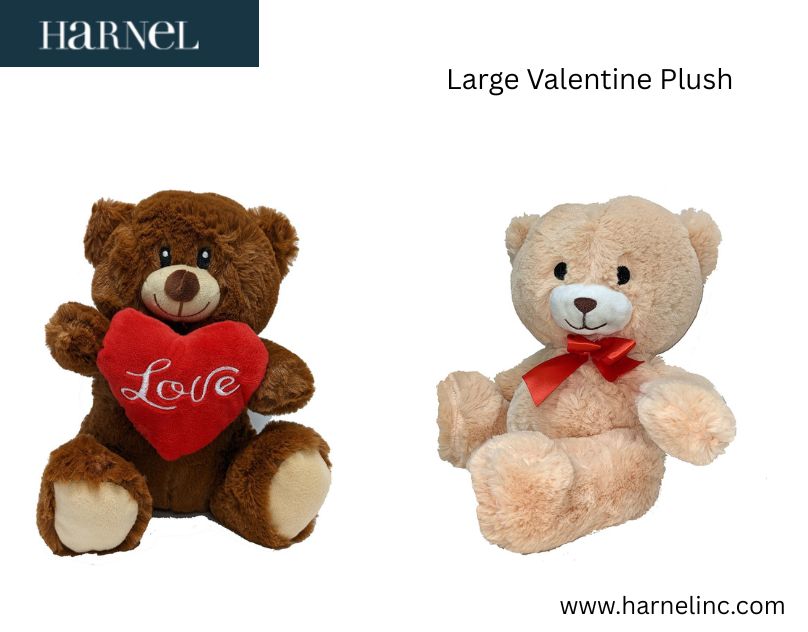
Seasonal plush can sell fast—but the selling window is short. That’s why overbuying happens so easily. You don’t want to run out right before the holiday rush, but you also don’t want extra boxes taking up space after the season ends. The smart goal is simple: have enough plush to meet demand, and stay flexible if demand changes. Let us check out the best approach that works whether you’re stocking a retail display, building gift bundles, or purchasing wholesale stuffed animals for events and promotions.
Map The Season And The Selling Window
Start with a calendar and mark:
● The holiday date (example: Valentine’s Day)
● When shoppers start buying (often 3–6 weeks before)
● When demand drops (usually right after the holiday)
Seasonal inventory planning is all about matching stock to predictable demand spikes and avoiding leftover seasonal items.
Choose Your Core Plush First
Core plush is what you can sell all year—simple teddy bears and popular animals. This matters because core items don’t “expire” after a holiday. Harnel’s plush selection includes classic choices like teddy bears, bunnies, elephants, giraffes, pandas, penguins, and more—great for building a steady core lineup you can keep on shelves beyond one season.
Order In Waves Instead Of One Big Buy
Overbuying often comes from one giant order made too early. A safer method is to order in waves:
● Stock the shelf and test what sells.
● Refill only the fast sellers.
● Small top-up near peak week.
This works especially well if you’re buying bulk stuffed animals for seasonal promotions—you get a strong start, and you keep your risk low if demand shifts.
Use A Simple Reorder Point So You Don’t Guess
A reorder point tells you when to order again. A common formula is:
Reorder Point = (Average Daily Sales × Lead Time) + Safety Stock. Keep it kid-simple:
1. Track how many plush you sell per day (or per week).
2. Estimate lead time (how long restocking takes).
3. Add a small “just in case” cushion.
When you hit that number, reorder—don’t wait until you’re almost empty.
Keep A Small Safety Cushion (Not A Huge Pile)
Safety stock is a buffer that protects you from surprises (like a sudden sales spike or a delivery delay). Supply-chain groups describe it as extra inventory held to reduce the risk of stockouts when demand or supply changes.For seasonal plush, keep this cushion small. You want protection, not a mountain of leftovers.
Match Your Quantity To Your Buying Style
If you buy wholesale stuffed animals, you’re usually balancing value with storage space. Check minimums and volume pricing so you order smart. For example, one Harnel plush product page shows a minimum order quantity and volume pricing discounts, which can help you plan “Wave 1 vs. Wave 2” quantities more confidently.
Also, mix sizes:
● Small: easy add-on
● Medium: main seller
● Large: attention-grabber (use carefully)
Final Takeaway
If you want seasonal plush without overbuying, follow this simple loop: core first, seasonal second, order in waves, reorder by a clear trigger, and keep only a small buffer. Do that, and you’ll stay stocked without getting stuck—whether you’re ordering wholesale stuffed animals for your shelves or adding large valentine plush for a high-impact seasonal display.
Words Minimum :
Add Comments