









Welcome Back
Sign in to be closer to your community!
Follow other divas, like and comment
on their posts, message them, and see
who loved your posts!
 Login with Google
 Login with Twitter
OR
Join FashionPotluck.com
Create your own profile in order to create content, follow other divas and like their posts, use our own messenger, and be a part of a growing international women community!
Signup as a Community Member

WELCOME TO OUR COMMUNITY
Fashion Potluck -
the first social media
platform for women.
You are free to read/watch & create content,
express your true self, and interact with others.


LIFESTYLE
How to Take Care of Your Freshly Made Veneers

 by
by 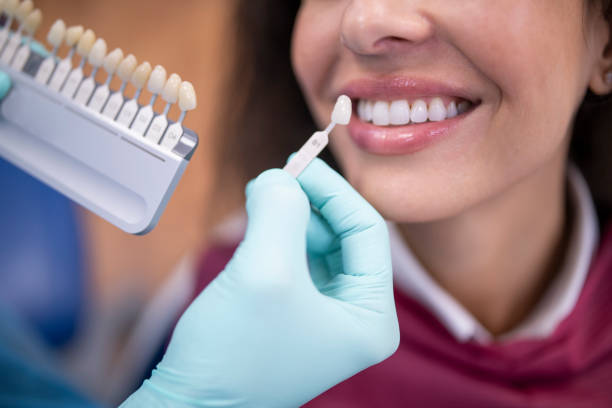
Getting veneers - wafer-thin shells, usually composed of porcelain or composite resin - applied to the front of your teeth is one of the quickest and simplest ways to improve your smile. Veneers can be used to hide stains, conceal small chips, cracks, and incorrectly spaced teeth, and make teeth look whiter.
Temporary Veneers Post-Treatment
You will obtain temporary veneers prior to receiving permanent veneers. To safeguard your prepared tooth surface, a temporary bonding material is used to attach these veneers to your teeth. This is due to the fact that a tiny amount of enamel must be removed during the veneer procedure in order to roughen the surface and facilitate the proper adhesion of your permanent veneers to the front surface of your teeth.
Until your permanent veneers come at the clinic, which usually takes one to two weeks, these veneers are worn. You should refrain from eating or drinking anything for at least two hours after receiving your temporary veneers, or until the anesthesia has completely worn off and you are able to move your facial muscles. Avoid chewy, excessively hard, or sticky foods because your temporary veneers are sealed to your teeth with dental cement that is made to be easily removed. Hard candies, chips, taco shells, nuts, difficult meats, hard-skinned fruits and vegetables, and caramel or taffy-based delicacies fall under this category.
You should continue to clean and floss your teeth as usual, but with caution. This entails being cautious when flossing and avoiding brushing too forcefully. Use a floss threader to clean in between your teeth if you have multiple temporary veneers.
Permanent Veneers - Immediate Aftercare
Your teeth may become slightly sensitive to extremely hot or cold meals after you have permanent veneers. This is entirely typical and should go away in a few days. You can take ibuprofen or Tylenol every three to four hours to help with sensitive teeth or any pain or discomfort following the treatment.
Clean your gums with a teaspoon of salt in a glass of warm water if they are bleeding or painful. This will help ease any discomfort and irritation. Additionally, you can experience some mild difficulties speaking and excessive salivation. As your mouth becomes used to the veneers, this should go away in a few days. You should contact your dentist for guidance and a follow-up consultation if, after a few days to a week, your teeth or gums are still hurting.
Keep Up a Healthy Dental Regimen
Porcelain veneers are resistant to tooth decay, but your natural teeth are located directly behind them and need to be regularly brushed and flossed to prevent cavities, gum disease, and tooth decay. This implies that you will still need to use an ADA-approved non-alcohol mouthwash, floss once a day, and brush your teeth at least twice a day with a soft-bristled toothbrush.
If your veneers are composed of composite resin, we advise against using mouthwashes that include alcohol since they may dry up the bonding material and cause your veneers to come loose.
A toothache, receding gums, gingivitis, and periodontal disease can arise from poor dental care.
It's crucial to see your dentist for routine examinations, often every six months, in addition to practicing good oral hygiene at home. Frequent examinations help identify gum disease and minor cavities before they worsen. Additionally, it allows you to have your veneers examined for any issues, including as loosening or cracking, and to inquire about better dental hygiene with veneers.
Drinking and Eating With Veneers
Your diet is not as limited as it was with the temporary veneers since your permanent veneers are bonded to your teeth using a very strong dental cement. To lower the chance of your veneers breaking and cracking, you will still need to stay away from very hard foods like candies.
You might wish to eat softer meals for the first few days following veneer placement until your teeth and mouth are completely acclimated to the veneers. You can resume eating as you would if your natural teeth were the only ones in your mouth after the initial few days.
It's crucial to remember that the same foods and behaviors that harm your natural teeth can also harm your veneers. This implies that you shouldn't use your teeth to open packages or gnaw on stuff. Additionally, you should be careful not to consume too many foods or beverages that cause stains, such as berries, red wine, coffee, and tea. This is due to the fact that veneers cannot be whitened and can still get stains. Along with limiting alcohol consumption, you should exercise caution when consuming raw fruits and vegetables.
Words Minimum :
Add Comments