









Welcome Back
Sign in to be closer to your community!
Follow other divas, like and comment
on their posts, message them, and see
who loved your posts!
 Login with Google
 Login with Twitter
OR
Join FashionPotluck.com
Create your own profile in order to create content, follow other divas and like their posts, use our own messenger, and be a part of a growing international women community!
Signup as a Community Member

WELCOME TO OUR COMMUNITY
Fashion Potluck -
the first social media
platform for women.
You are free to read/watch & create content,
express your true self, and interact with others.


LIFESTYLE
The Story Behind Dallas Football Fan Apparel Traditions

 by
by 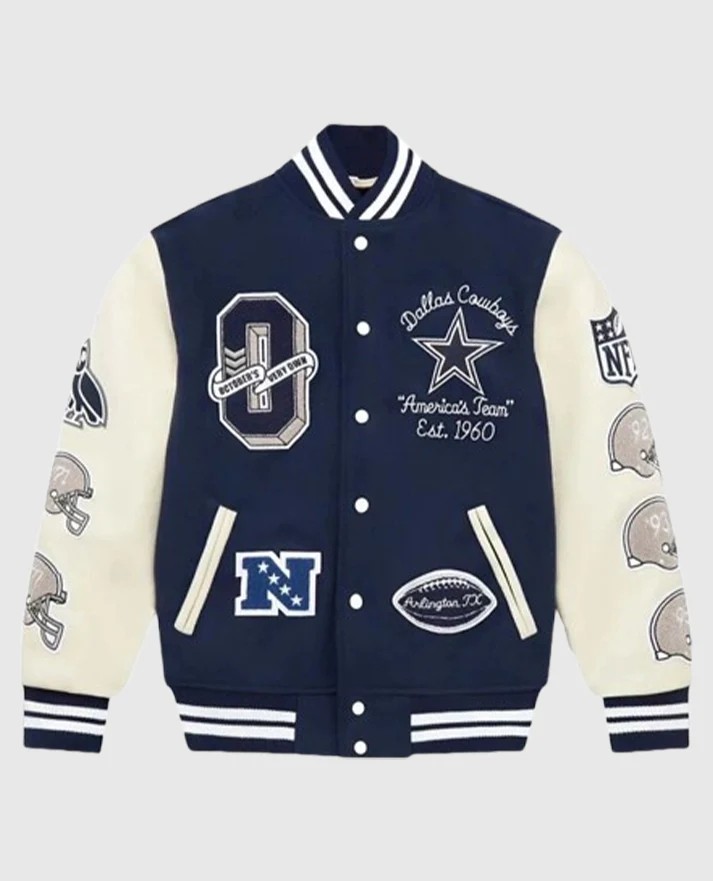
There’s something familiar about seeing the same blue and silver fan layers return every football season. Supporters don’t usually plan it, yet the same jackets, caps, and sideline-style pieces keep appearing year after year, almost like part of a routine that never really stopped. Over time, these small choices turned into traditions people quietly followed together. A lot of these habits grew through stadium visits, family watch days, and local fan gatherings, where clothing started carrying meaning beyond comfort. Even small items bought from brands such as Genuine Jacket Store were soon incorporated into those shared experiences, and that is when Dallas football fan clothing culture started to become predictable, distinctive, and timeless.
How Early Team Identity Influenced Fan Clothing Choices
Early supporters leaned towards practical outerwear that matched team colors, and over time, those choices slowly settled into routines.
The Role of Team Colors in Shaping Supporter Outfits
Blue and silver never felt random once they started appearing across scarves, jackets, and caps around stadium seating areas. Fans wore them because they were easy to recognize from a distance and quietly tied everyone together during games, and pieces like Dallas Cowboys Jackets slowly became part of that shared look. These colors stayed consistent across decades, which helped supporters feel connected even when styles changed around them.
The Simple Outerwear Became the First Fan Favorite Layer
Supporters often chose light jackets first because they worked well in crowded seating areas and cooler evenings. Those early choices stayed around longer than expected because they were easy to wear each season again. Repeating the same layer on game days started to feel normal instead of planned. That habit slowly turned comfort pieces into part of the supporter identity.
The Growth of Stadium Culture Around Fan Apparel
Crowds wearing similar layers created a quiet sense of togetherness that made clothing feel like part of the experience rather than something separate from it.
How Game-Day Environments Encourage Shared Clothing Traditions
Supporters sitting close together often noticed similar jackets appearing row after row without anyone discussing it openly. That shared look created a subtle connection that stayed long after the game ended. You start noticing this after a while because repetition turns clothing into something expected instead of surprising. The stadium environment quietly shaped what people reached for each week.
The Cooler Seasons Foster the Tradition of Wearing Team Layers
With cold weather making fans wear coats anyway, the logical step was for these coats to have the colors of their favorite team. The process of wearing these coats over time eventually became routine for fans. Once it went through a number of years, it acquired a permanence of its own.
The Role of Generations in Creating Apparel Traditions
Fans' clothing habits would stay inside the family, from generation to generation, but in informal ways.
How Family Routines Passed Down Support Clothing Habits
Children growing up around game-day routines usually noticed certain jackets appearing every season without explanation. Those early memories quietly shaped what they later chose for themselves.
Why Does Frequent Wearing Build Emotional Bonding
The repeated use of outerwear over various seasons formed tiny memories that gradually imbued emotional significance. Supporters often kept pieces longer because they carried those moments with them. Kind of interesting when you sit with it, clothing starts feeling less like an outfit and more like part of the experience itself.
The Role of Sideline Styles in Fan Wardrobes
Supporters often looked toward sideline clothing for ideas because it felt closer to the team environment than other outfit choices.
The Player and Staff Jackets Inspired Supporter Choices
Seeing familiar layers on the sidelines gave fans a clear sense of what belonged within the team atmosphere. Supporters copied those details without needing to match them exactly. The influence stayed quiet but easy to recognize across seasons.
The Practical Jacket Designs Stayed Popular
Comfort played a bigger role than people usually mention when talking about supporter clothing habits. Jackets that worked well for long games naturally stayed in rotation longer. Once something proved useful more than once, it stopped feeling temporary. That reliability helped it become part of tradition.
Seasonal Changes That Shaped Supporter Apparel Habits
Football seasons arriving during cooler months made outerwear feel like part of the schedule instead of an optional choice.
The Fall Weather Made Outerwear Part of Football Routines
Supporters reached for jackets because the weather asked for them, not because anyone suggested a style change. That simple reason helped certain layers appear again and again each year. The weather, without people realizing it, dictated what the supporters would put on themselves to attend the game. This was gradually converted into a tradition.
The Repetition of Seasonal Clothing Became Tradition
Repetition of the same choices in dressing for every season became a natural cycle for the supporters. Jackets worn in every match season gradually developed the connotation of marking the arrival of the football season. And the practice was maintained throughout changes in fashion trends.
How Local Identification Made Traditions Stronger
The supporter's clothes, while symbolizing their allegiance, were also a reflection of a feeling of belonging to a community.
The Shared Clothing Created a Visible Supporter Connection
Seeing others wearing similar jackets outside stadium spaces made supporters feel part of something larger than a single game. That shared appearance extended the experience into everyday routines. Clothing quietly signaled belonging without needing conversation. The connection stayed visible wherever supporters gathered.
How Local Pride Influenced Long-Term Clothing Preferences
Regional identity often shaped what fans chose to keep wearing across different seasons. Those preferences stayed steady because they felt tied to place as much as to team support. Over time, that connection made certain outerwear feel familiar even outside football settings. The tradition is carried forward without needing explanation.
Conclusion
Supporter clothing never really announced itself as tradition when it first appeared, yet those repeated choices kept returning each season in quiet ways. Somewhere between family routines, stadium memories, and cooler evenings, those familiar layers stayed close enough to feel like part of the background of football life.
Words Minimum :
Add Comments