








Welcome Back
Sign in to be closer to your community!
Follow other divas, like and comment
on their posts, message them, and see
who loved your posts!
 Login with Google
 Login with Twitter
OR
Join FashionPotluck.com
Create your own profile in order to create content, follow other divas and like their posts, use our own messenger, and be a part of a growing international women community!
Signup as a Community Member

WELCOME TO OUR COMMUNITY
Fashion Potluck -
the first social media
platform for women.
You are free to read/watch & create content,
express your true self, and interact with others.


LIFESTYLE
Women’s Fashion: A Powerful Medium of Self-Expression

 by
by 

The world of women's fashion is an active and constantly changing fabric that blends art, culture, and personality. It is more than threads and seams; it's a deep method of communication that enables women to display who they are, break free from conventional norms, and define how the world perceives them. In this article, we’ll explore how women’s fashion plays a vital role in identity formation, self-expression, and cultural storytelling. We’ll also highlight the role of women’s dresses, including unstitched dresses, unstitched suits, printed dresses, formal dresses, and embroidered dresses, in crafting unique personal styles.
1. Fashion as a Reflection of Personal Identity
Expression Through Clothing
Fundamentally, women's fashion is a reflection of the soul. The attire of a woman is usually an expression of her mood, beliefs, values, and ambitions. Whether it is the drape of a ready to wear garment or the sophistication of a tailored embroidered garment, every outfit speaks something about the wearer.
Unstitched Suits as a Canvas of Creativity
Unstitched suits provide the chance to be as creative as one can be. A woman can pick and choose fabrics, patterns, and tailoring styles according to her personality and body shape. For a few, a brightly colored printed dress might mean boldness and cheerfulness, while for others, simple tones in unstitched dresses might mean simplicity and serenity.
The Role of Accessories
Accessories further support this story. Bold earrings, delicate scarves, and other details all add to personal expression. Combined with clothing, they create a unified language of individuality, a cornerstone in women's fashion.
2. Cultural and Social Aspects of Women's Fashion
Fashion Mirrors Societal Changes
Women's fashion has never been independent of social expectations and cultural trends. Over time, changes in women's rights and roles in society have been mirrored in their clothing. For instance, during the feminist struggles of the 20th century, women often embraced androgynous fashion to defy conventional gender roles.
Globalization and Style Exchange
Today, globalization and social media have erased fashion boundaries. A fashion trend that is conceived in Paris may go trending overnight in Pakistan or Tokyo. Though this interconnectedness has introduced diversity to women's fashion, it has also raised issues of cultural homogenization and the erosion of heritage fashion.
The Cultural Power of Traditional Clothing
Regional styles continue to flourish. In South Asia, for example, unstitched dresses continue to be a favorite. They are not only pretty but also an expression of the wearer's affiliation with culture and tradition. By wearing a formal dress to a wedding or a light printed dress for everyday use, women continue to balance both modern and cultural identities.
3. Fashion and Body Image: Finding Confidence Through Clothing
Clothing as a Confidence Booster
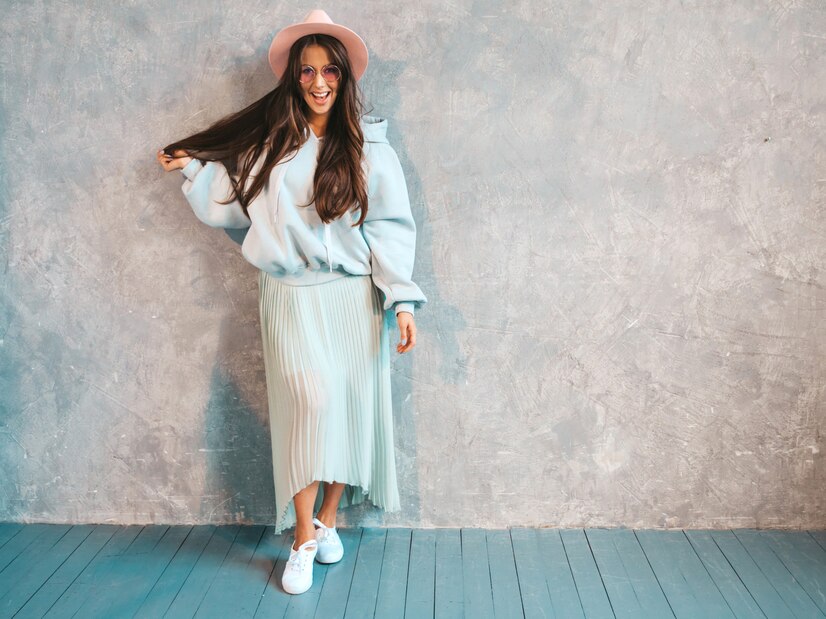
What we wear has a deep influence on our feelings about ourselves. Women's fashion plays a vital role in creating self-esteem and body image. A proper outfit can improve confidence, increase comfort, and enable women to move freely through all types of social situations. Readymade dresses, for instance, provide convenience and looks, enabling women to save time as well as appearance. In contrast, unstitched suits can be made custom-fit, which makes them a woman's choice when she wants both style and comfort.
Body Positivity
Unfortunately, the fashion world also promotes unrealistic ideals of beauty, frequently presenting a slim interpretation of what is "acceptable." This can be damaging to self-esteem and mental well-being. That's why there is an increase in the movement in women's fashion to encourage inclusivity, diversity, and body positivity.
4. The Rise and Risks of Fast Fashion
What Is Fast Fashion?
One of the most dramatic changes in contemporary women's fashion is the emergence of fast fashion. It has ensured more fashionable, affordable clothing than ever before. From cheap printed dresses for everyday wear to trendy formal dresses, fast fashion has packed closets across the globe.
Environmental and Ethical Issues
But this ease comes at a price. Fast fashion tends to be based on unethical labor practices and unsustainable production processes that result in environmental degradation.
Trending towards Sustainability
Consumer consciousness is increasing. More and more women are resorting to sustainable fashion options, purchasing ethical brands, going for ready to wear dresses from eco-friendly fabrics, and upcycling or recycling old clothes. There's also increased demand for traditional wear such as unstitched suits, which help local craftsmen and minimize ecological footprint.
5. Social Media: The Virtual Catwalk

Influencer Culture and Fast Trends
Social media such as Instagram, TikTok, and Pinterest are now digital catwalks where women's fashion trends are conceived, developed, and disseminated worldwide. Influencers walk around in their ensembles, give styling advice, and inspire millions with their sense of imagination.
The Dark Side of Filtered Perfection
While social media equalizes fashion and appreciates diversity, it can also invite pressure to keep up appearances. This warped reality can make one anxious and self-conscious.
The Potential of Platforms
Social media is not all bad. A woman posting about her favorite embroidered dress or how to style unstitched dresses differently can have a following and create a community based on fashion and self-expression.
6. The Future of Women's Fashion
Tech-Driven Innovation
In the future, women's fashion will be more considerate and ethical. Innovations such as 3D printing, AI stylists, and virtual try-ons are personalizing and reflecting on fashion.
Eco-Consciousness and Ethical Production
Sustainability is designing the future of fashion. Organic materials are being used, ethical production practices are being encouraged, and fair labor conditions are being followed. Classic garments such as ready-to-wear dresses, embroidered dresses, and co ord sets are gaining popularity over fast fashion.
Embracing Inclusivity
From plus-size designs to adaptive wear, women's fashion is becoming completely inclusive. All women should have access to fashion that makes them celebrate their individuality.
7. Empowerment Through Style
Fashion as a Tool of Strength
Fashion is not just about looks, it's strength. Every garment is an expression of who a woman is and what she stands for. Be it a bright colored printed dress, a designer formal dress, or a self-styled unstitched dress, her closet becomes her voice.
Creating, Not Just Following, Trends
Women's fashion is no longer all about keeping up with the runway, it's about making personal style. By making informed choices, women nowadays are using fashion to make statements, gain confidence, and celebrate authenticity.
Conclusion
In each society and time period, women's fashion has been a powerful agent of change. From unstitched suits that can be customized to the perfect design to glamorous ready to wear garments and intricately embroidered dresses, fashion remains a means by which women can express themselves, challenge the status quo, and honor who they are. Looking to the future, women's fashion will flourish on the strengths of inclusivity, sustainability, and innovation. Make fashion your stage for confidence, creativity, and change.
Words Minimum :
Add Comments