









Welcome Back
Sign in to be closer to your community!
Follow other divas, like and comment
on their posts, message them, and see
who loved your posts!
 Login with Google
 Login with Twitter
OR
Join FashionPotluck.com
Create your own profile in order to create content, follow other divas and like their posts, use our own messenger, and be a part of a growing international women community!
Signup as a Community Member

WELCOME TO OUR COMMUNITY
Fashion Potluck -
the first social media
platform for women.
You are free to read/watch & create content,
express your true self, and interact with others.


TRAVELS
How Long Does It Take to Hike to Annapurna Base Camp?

 by
by 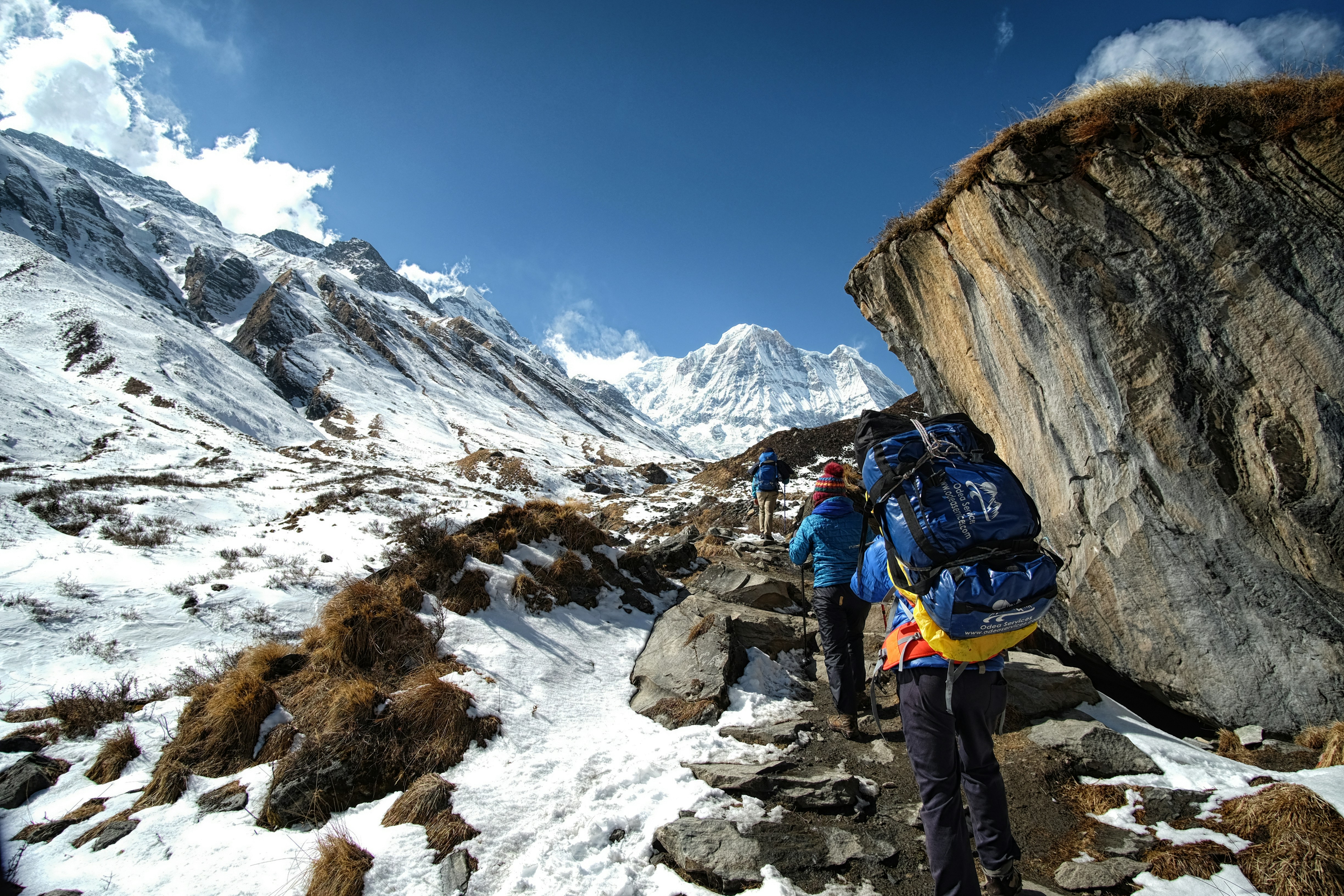
Nepal
Kathmandu
Nepal
Kathmandu
Nepal
A few days of walking can take you from green hills and quiet villages to the foot of some of Nepal’s tallest mountains. The Annapurna Base Camp trek is a popular Himalayan journey that offers beautiful scenery, local culture, and a rewarding mountain experience. Most trekkers need around 7 to 12 days for the full trip, depending on the route, pace, rest days, and starting point.
How Many Days Does the Trek Take?
The exact time depends on your chosen itinerary. Many standard Annapurna Base Camp trekking plans take about 8 to 10 days. The trek usually starts from a lower area and slowly moves toward the high mountains.
Each day often includes several hours of walking. You may walk through forests, stone steps, small villages, and open mountain paths. The walking time can change based on the trail and your fitness level.
A shorter itinerary may be possible for experienced trekkers. However, taking a little more time can make the journey more comfortable. It also gives your body more time to rest and adjust to the higher altitude.
What Is the Daily Walking Time?
Most days on the Annapurna Base Camp trek involve around 4 to 7 hours of walking. Some days may be shorter, while others can feel longer because of steep climbs or rough trails.
The trail has many stone steps, especially around the lower and middle sections. You may feel tired after several hours, but regular breaks can help. Walking slowly and drinking enough water are good ways to manage your energy.
The goal is not to walk as fast as possible. A steady pace helps you enjoy the views and reach your destination safely.
What Makes the Journey Special?
The Annapurna Base Camp trek is not only about reaching the final destination. The journey itself is full of beautiful moments.
You can walk through lush forests filled with rhododendron trees. You can pass small mountain villages and see traditional homes. You may meet local people along the trail and experience the warm culture of the region.
As you gain height, the landscape changes. Green hills slowly give way to rocky paths and large snowy peaks. When you reach the base camp, huge mountains surround you. Annapurna I, Machapuchare, Hiunchuli, and other peaks create an unforgettable scene.
Why Rest and Acclimatization Matter
Even though the Annapurna Base Camp trek is not extremely long, you should not rush it. Your body needs time to handle changes in altitude.
A well-planned trek includes enough time for rest and proper pacing. Getting enough sleep, eating well, drinking water, and listening to your body can help you enjoy the journey.
If you feel very tired, taking an extra rest period is better than pushing yourself too hard. A flexible schedule can make the trek safer and more enjoyable.
Amble Himalaya Trekking Services
Amble Himalaya helps travelers plan and enjoy trekking adventures in Nepal. They provide services such as experienced guides, porters, permits, accommodation, transportation, meals, and carefully planned itineraries.
For the Annapurna Base Camp trek, their team can help organize the trip based on your schedule and trekking needs. Their guides can provide local knowledge and trail support, while porters can carry your main luggage. This allows you to focus on walking, enjoying the scenery, and experiencing the local culture.
Enjoy the Journey at Your Own Pace
So, how long does it take to hike to Annapurna Base Camp? For most trekkers, 7 to 12 days is a comfortable range for the full journey. Your exact trekking time will depend on your route, pace, fitness, and itinerary.
The best part is that you do not need to rush. Take time to enjoy every village, forest, mountain view, and quiet trail. Reaching Annapurna Base Camp is a special achievement, but the memories you make along the way can be just as rewarding.
- Rate article:
Words Minimum :
Add Comments