









Welcome Back
Sign in to be closer to your community!
Follow other divas, like and comment
on their posts, message them, and see
who loved your posts!
 Login with Google
 Login with Twitter
OR
Join FashionPotluck.com
Create your own profile in order to create content, follow other divas and like their posts, use our own messenger, and be a part of a growing international women community!
Signup as a Community Member

WELCOME TO OUR COMMUNITY
Fashion Potluck -
the first social media
platform for women.
You are free to read/watch & create content,
express your true self, and interact with others.


LIFESTYLE
The Best Ways to Layer a Men’s Shearling Jacket in Freezing Weather

 by
by 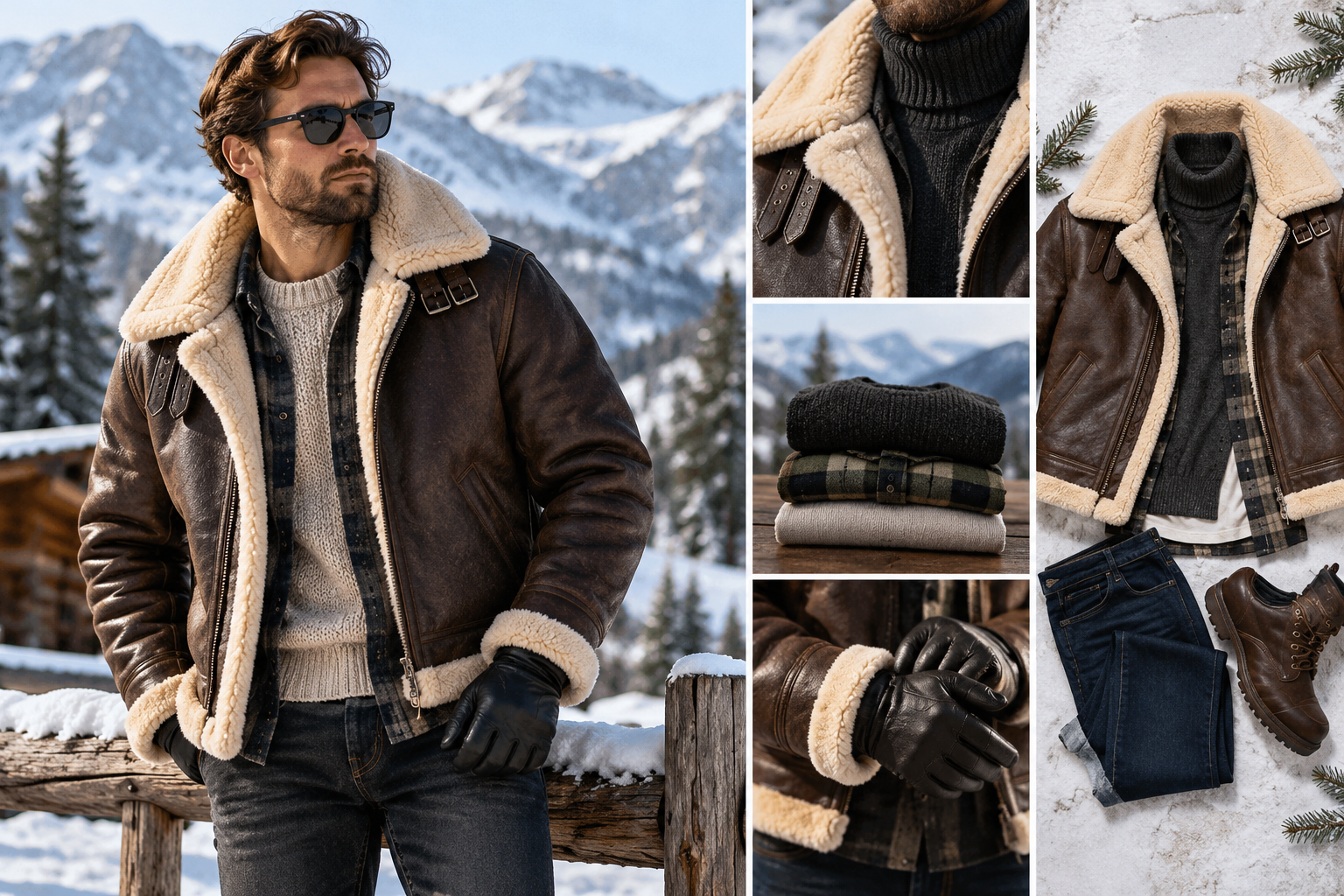

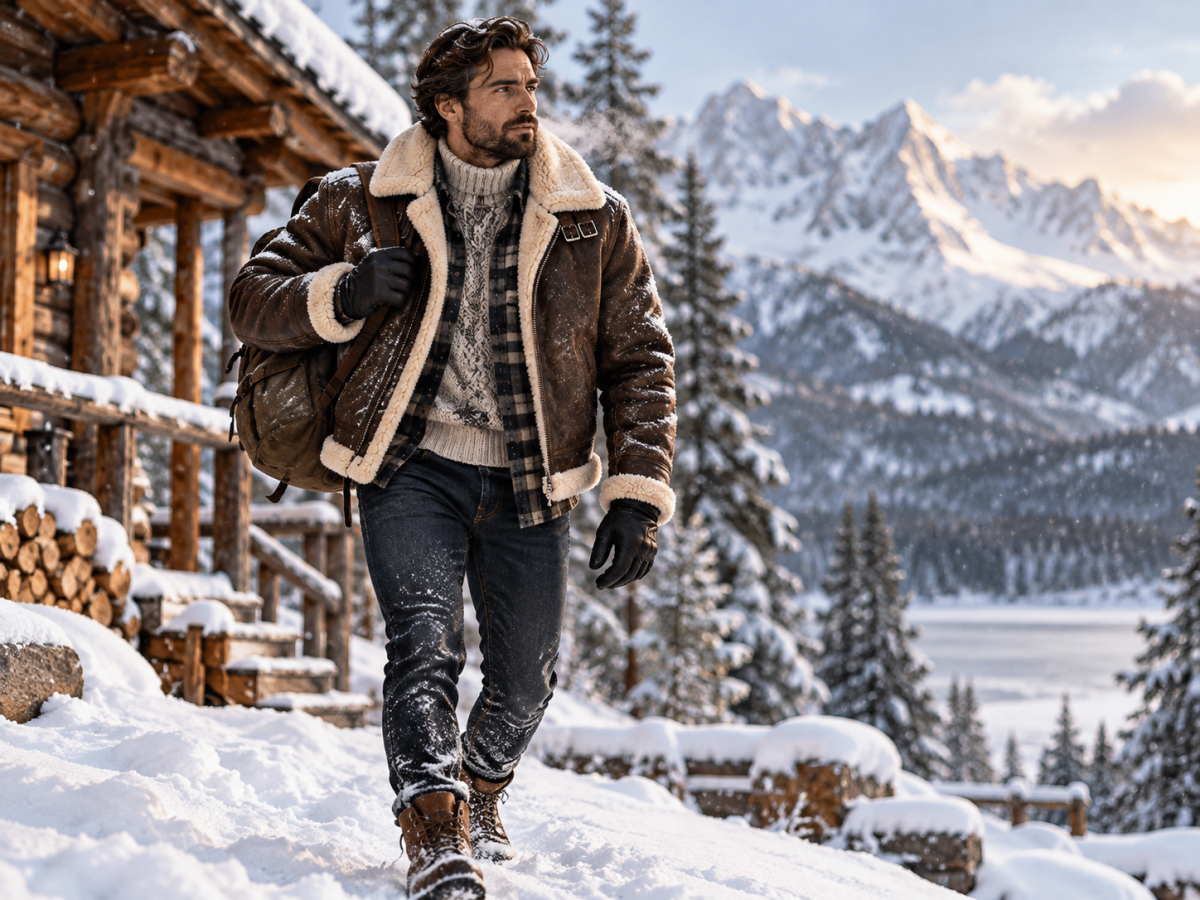
The best way to layer a shearling jacket is to keep everything underneath thin, dry, and close to the body. Shearling already insulates, so extra bulk often makes you colder by restricting movement and trapping sweat. Start with a moisture-managing base, add one slim mid layer, and let the jacket do the rest.
How Shearling Handles Cold
Shearling is sheepskin with the wool left on, so the jacket carries its own insulating layer. That changes how you dress under it compared with a standard leather jacket.
The wool lining traps warm air and is generally breathable. That is why a shearling jacket can feel too warm indoors and why overdressing underneath is the most common mistake.
Keep in mind that shearling is not waterproof, and heavy snow or slush can damage it. Always check the care label and the manufacturer’s instructions before wearing it in wet conditions.
Choose a Fit That Leaves Room for Layers
Layering only works if the jacket has space for it. A jacket that fits snugly over a T-shirt will feel tight once you add a sweater.
Try the jacket on with the thickest mid layer you plan to wear. You should be able to reach forward and raise your arms without the shoulders pulling.
Style affects this too. A shorter cut like a B3 bomber sits at the hip and suits slim mid layers, while a longer coat has more room for a knit underneath. You can compare cuts in this range of men’s shearling jackets.
Quick fit checks:
Shoulder seams sit near the edge of your shoulders, not hanging off.
Sleeves allow a sweater without bunching at the cuff.
The jacket closes comfortably over your mid layer.
Build the Base and Mid Layers
A good base layer sits against your skin and moves moisture away. A wet layer loses its ability to keep you warm in freezing air.
Base layer options:
Merino wool, which insulates and handles moisture well
Synthetic thermal tops designed to wick sweat
Lightweight long-sleeve tees for milder freezing days
Avoid cotton as your only base in very cold conditions. It holds moisture and dries slowly.
Mid layer options:
A fine-gauge merino or wool crewneck
A thin quarter-zip knit
A lightweight fleece for very cold days
Choose one mid layer, not two. If you need more warmth, upgrade the material rather than adding thickness.
Complete Outfits for Freezing Days
The jacket handles the top half. Your trousers, footwear, and accessories decide whether the outfit actually works in the cold.
Everyday City Outfit
Wear a merino base, a gray crewneck sweater, dark denim, and leather boots with thick socks. The sweater adds warmth without crowding the jacket, and boots keep your feet insulated on cold pavement.
Casual Weekend Outfit
Try a thermal henley, a flannel shirt, straight-leg chinos, and insulated boots. The flannel works as a mid layer and stays slim enough to fit under a bomber cut.
Smart Evening Outfit
Pair a fine merino turtleneck with wool trousers and Chelsea boots. A turtleneck covers your neck, which is where cold air tends to get in.
Shearling can run warm for milder days. When temperatures rise a little, other leather jackets and outerwear such as biker or café racer styles pair well with lighter layers.
Accessories That Make a Difference
Heat escapes quickly from your head, hands, and neck, so accessories matter as much as layers.
A wool or fleece-lined beanie
Lined gloves, preferably leather over wool
A scarf that tucks inside the jacket collar
Wool socks with a boot that has room for them
Choose a scarf made of thin wool or cashmere blend. A chunky scarf can bunch up under the collar and affect the fit.
Common Layering Mistakes
Most cold-weather problems come from a few repeat errors. Fixing them often matters more than buying warmer pieces.
Wearing a bulky hoodie under the jacket, which strains the shoulders
Using cotton as a base layer in extreme cold
Skipping insulated footwear and gloves
Wearing shearling in heavy rain or slush
Layering so tightly that air cannot circulate
FAQs
Can I Wear a Hoodie Under a Shearling Jacket?
You can, but a thin, fitted hoodie works better than a thick one. A heavy hoodie adds bulk at the shoulders and can make the jacket feel tight. The hood can also bunch up behind your neck.
How Many Layers Should I Wear Under a Shearling Jacket?
Two thin layers are enough for most freezing days. A base layer plus one mid layer gives warmth without overheating. Add a third only if you are standing outside for long periods.
Is a Shearling Jacket Warm Enough for Freezing Weather?
For many people, yes, especially with the right layers and accessories. Shearling’s wool lining insulates well, but individual comfort varies with wind, activity, and humidity. Pair it with warm boots, gloves, and a hat.
Can I Wear a B3 Shearling Jacket in the Snow?
Light snow is generally manageable if you brush it off promptly, but shearling is not waterproof. Wet conditions can stain or damage the material. Check the care label and avoid prolonged exposure to slush.
What Colors Work Best for Layering Under Shearling?
Neutral shades like gray, navy, cream, and charcoal are easy to combine with brown, tan, or black shearling. Solid colors keep the outfit balanced because shearling already adds texture.
Words Minimum :
Add Comments